By Shanjid Shane 🕒 Jun 24, 2026
Bangladesh PM Reaches Beijing by High-Speed Train as Teesta Talks and Major Deals Loom
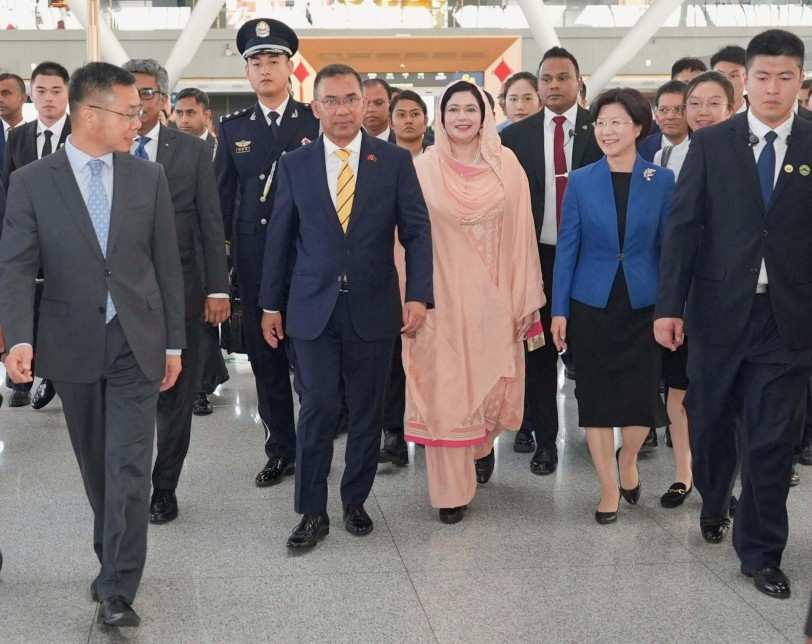
BEIJING, June 24, 2026 — Bangladesh Prime Minister Tarique Rahman arrived in Beijing on Tuesday aboard one of China's high-speed trains, marking the beginning of a closely watched visit that could shape the future of economic and strategic cooperation between the two countries.
The journey from Dalian to Beijing came after the prime minister attended the World Economic Forum's Annual Meeting of the New Champions, often referred to as the "Summer Davos," where global leaders, investors, and business executives gathered to discuss economic growth and emerging opportunities.
While the train ride attracted public attention, analysts say the significance of the visit extends far beyond transportation. The three-day trip is expected to focus on investment, trade, infrastructure development, and broader bilateral cooperation between Bangladesh and China.
Why the Beijing Visit Matters
The visit is the first major official trip to China by Bangladesh's new government and comes at a time when Dhaka is seeking greater foreign investment and economic partnerships.
Chinese officials have signaled strong interest in expanding cooperation with Bangladesh across multiple sectors, including manufacturing, technology, energy, transportation, and industrial development.
Meetings are expected between Prime Minister Rahman, Chinese Premier Li Qiang, and President Xi Jinping.
Diplomatic observers view these meetings as an opportunity for both countries to strengthen long-term economic ties while addressing regional and global challenges.
"This visit reflects the growing importance of Bangladesh in regional economic planning and supply chains," said one South Asia policy analyst familiar with China-Bangladesh relations.
Expected Agreements and Investment Opportunities
Officials from both sides have indicated that several agreements and memorandums of understanding could be signed during the visit.
The proposed deals are expected to cover:
- Infrastructure development
- Trade and market access
- Industrial investment
- Technology cooperation
- Energy projects
- Transportation connectivity
- Economic development initiatives
Bangladesh has been actively seeking foreign investment to support job creation, industrial growth, and export diversification.
China remains one of Bangladesh's largest development and infrastructure partners, financing projects ranging from bridges and roads to power generation and industrial zones.
Economists say fresh investment commitments could help Bangladesh strengthen its manufacturing sector and attract more global supply chain businesses.
Teesta Project Discussions Could Draw Regional Attention
One of the most closely watched topics during the visit is expected to be the Teesta River development project.
China has previously expressed interest in supporting development initiatives related to the Teesta basin. Any progress on the project could have broader regional implications, particularly because of its strategic and geopolitical significance.
Although officials have not confirmed specific outcomes, discussions surrounding the project are likely to attract attention from neighboring countries and regional policymakers.
The Symbolism Behind the High-Speed Train Journey
China's decision to highlight the prime minister's high-speed rail journey was widely viewed as symbolic.
China operates one of the world's largest and most advanced high-speed rail networks, connecting major cities through modern transportation infrastructure.
By showcasing the rail system during the visit, Beijing appears to be emphasizing its technological capabilities and development model.
The image of the Bangladeshi leader traveling on a bullet train also reinforces China's message that infrastructure and connectivity remain central to its international partnerships.
Balancing Economic Growth and Strategic Interests
For Bangladesh, the challenge will be maximizing economic benefits while maintaining balanced relations with major global and regional partners.
Dhaka has traditionally pursued a multi-directional foreign policy, maintaining strong ties with China, India, the United States, Japan, and other international partners.
Experts say any major agreements announced during the visit will be evaluated not only for their economic impact but also for their long-term strategic implications.
Still, most analysts agree that economic cooperation remains the primary focus of the current discussions.
What Could Happen Next?
Several possible outcomes may emerge from the visit:
Increased Chinese Investment
New investment commitments could support manufacturing, infrastructure, and industrial development projects across Bangladesh.
Expanded Trade Cooperation
Both countries may seek ways to increase exports and improve market access for Bangladeshi products.
Infrastructure Financing
Additional financing for transportation, energy, and development projects could accelerate economic growth.
Technology Partnerships
Cooperation in digital technology, renewable energy, and industrial modernization may become a growing area of focus.
FAQ
Why did the Bangladesh prime minister travel to Beijing by high-speed train?
The journey from Dalian to Beijing showcased China's advanced transportation infrastructure and served as a symbolic element of the official visit.
What is the purpose of the China visit?
The visit aims to strengthen Bangladesh-China relations and explore cooperation in investment, trade, infrastructure, technology, and development projects.
Will any agreements be signed during the visit?
Officials have indicated that multiple agreements and memorandums of understanding are expected to be signed, although final details have not yet been released.
Why is the Teesta project important?
The Teesta River project is significant for water management, regional development, and broader geopolitical considerations in South Asia.
How could Bangladesh benefit from the visit?
Potential benefits include increased foreign investment, job creation, infrastructure development, technology transfers, and expanded trade opportunities.
Stay Ahead of the News
Before Everyone Else
Major stories break every hour. Join our news community and receive instant alerts, viral headlines, and important updates the moment they happen.