By Shanjid Shane 🕒 Jun 21, 2026
US-Iran Talks Begin: Lebanon Conflict and Nuclear Dispute Take Center Stage in High-Stakes Switzerland Meeting
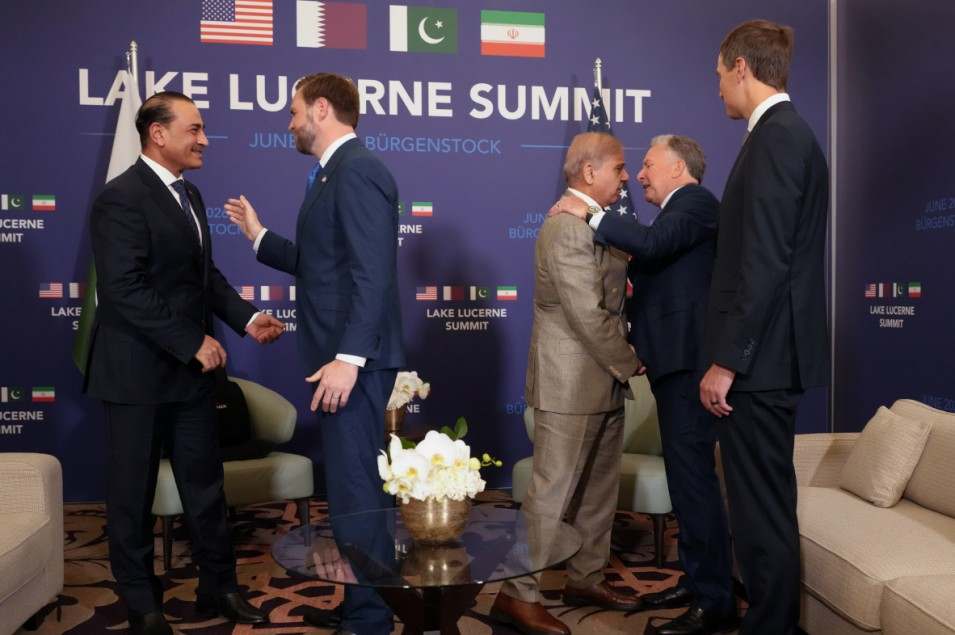
June 21, 2026 — US-Iran talks begin in Switzerland with Lebanon's conflict and Iran's nuclear program topping the agenda as both sides seek to prevent wider regional escalation.
Senior officials from the United States and Iran have opened a new round of negotiations in Switzerland, with the Lebanon conflict and Iran's nuclear program emerging as the most pressing issues on the agenda.
The talks, taking place at the Bürgenstock resort near Lucerne, are being closely watched by governments across the Middle East and beyond. Diplomatic efforts come at a time of heightened regional tensions, renewed clashes involving Hezbollah and Israel, and ongoing concerns about Iran's nuclear activities.
Officials from both sides have described the discussions as an opportunity to reduce the risk of wider conflict while exploring possible areas of cooperation.
"The goal is to prevent escalation and create a framework for long-term stability," a Western diplomatic source familiar with the negotiations said.
Why the US-Iran Talks Matter
The latest round of diplomacy comes after months of military tensions, economic disputes, and growing international concern over security in the Middle East.
Analysts say the negotiations are significant because they address several interconnected crises at once. Alongside the nuclear issue, both delegations are expected to discuss regional security, sanctions relief, maritime stability, and the situation in Lebanon.
While disagreements remain substantial, diplomats believe continued dialogue could help prevent further deterioration in relations.
His Excellency Sheikh Mohammed bin Abdulrahman Al Thani, Prime Minister and Minister of Foreign Affairs @MBA_AlThani_, during the proceedings of the Lucerne : "Qatar will stay dedicated to this partnership to support these mediations until the end, until we reach a solution. We… pic.twitter.com/h17dYgUq8w
— Ministry of Foreign Affairs - Qatar (@MofaQatar_EN) June 21, 2026
Qatar Pledges Continued Support for Mediation Efforts
Qatar has also positioned itself as a key diplomatic player in the negotiations, reaffirming its commitment to helping facilitate dialogue between the United States and Iran.
During the opening proceedings in Switzerland, Qatar's Ministry of Foreign Affairs shared a video featuring Qatar's Prime Minister and Foreign Minister, Sheikh Mohammed bin Abdulrahman Al Thani, addressing participants at the talks.
In his remarks, Sheikh Mohammed emphasized Qatar's determination to continue supporting mediation efforts aimed at reducing tensions and achieving a lasting diplomatic solution.
"Qatar will stay dedicated to this partnership to support these mediations until the end, until we reach a solution," he said.
The Qatari leader also highlighted the broader goal of promoting stability across the Middle East.
"We will always be partner in bringing more peace, prosperity, and hopefully, better future for our region."
Qatar has increasingly played a prominent role in regional diplomacy in recent years, serving as a mediator in conflicts and negotiations involving multiple regional and international actors. Analysts say Doha's involvement in the current talks reflects growing international efforts to prevent further escalation in the Middle East and maintain channels of communication between rival powers.
Diplomatic observers note that Qatar's participation could prove important as negotiators attempt to bridge deep divisions over Iran's nuclear programme, regional security concerns, and the ongoing conflict involving Hezbollah and Israel.
Lebanon Conflict Emerges as an Urgent Priority
Growing Fears of a Wider Regional War
The conflict along the Israel-Lebanon border has become one of the most immediate concerns facing negotiators.
Recent exchanges of fire between Israeli forces and Hezbollah have raised fears that the confrontation could expand into a broader regional conflict. International mediators have warned that further escalation could destabilize neighboring countries and undermine ongoing diplomatic efforts.
Washington has reportedly urged Tehran to use its influence with Hezbollah to help reduce tensions. Iran, meanwhile, has called for an end to Israeli military operations in Lebanon and has argued that lasting stability requires addressing the concerns of all parties involved.
Regional experts note that developments in Lebanon could directly affect the outcome of the broader negotiations.
"If violence continues to increase, diplomatic progress becomes much more difficult," said a Middle East security analyst.
Iran's Nuclear Program Remains a Core Dispute
The Central Question: Uranium Enrichment
One of the most difficult issues facing negotiators is Iran's nuclear program.
The United States and its allies have long expressed concern over Iran's uranium enrichment activities and the potential implications for regional security. Iran maintains that its nuclear program is intended for peaceful civilian purposes and insists it has the right to pursue nuclear energy under international agreements.
Negotiators are expected to focus on several key questions:
- Future limits on uranium enrichment
- Monitoring and verification mechanisms
- International inspections
- Management of existing nuclear stockpiles
- Potential sanctions relief
Diplomatic sources say both sides are exploring options that could provide greater transparency while preserving national interests.
Sanctions Relief Expected to Play a Major Role
For Iran, economic concerns remain a critical part of the negotiations.
Years of international sanctions have placed significant pressure on the country's economy. Iranian officials are expected to seek measures that would ease restrictions on banking, trade, and oil exports.
The United States has indicated that sanctions relief could be considered as part of a broader agreement, though officials have stressed that any economic concessions would likely depend on progress regarding nuclear commitments and regional security issues.
Economists say the outcome of these discussions could have implications for global energy markets and international trade.
Strait of Hormuz Security Also Under Discussion
Another important topic is the security of the Strait of Hormuz, one of the world's most important shipping routes.
A significant portion of global oil exports passes through the narrow waterway each day. Any disruption could affect energy prices and international supply chains.
Recent tensions in the Gulf have renewed concerns about maritime security, making the issue a key part of the negotiations.
Diplomats hope confidence-building measures could reduce the risk of future incidents and help ensure uninterrupted commercial shipping.
Political Challenges Facing Both Governments
Domestic Pressures Could Shape Negotiations
Both Washington and Tehran face domestic political pressures that may influence the talks.
In the United States, policymakers remain divided over how to approach Iran, particularly regarding sanctions and nuclear restrictions.
Iranian leaders also face pressure from political factions that remain skeptical of negotiations with the West.
These internal dynamics could complicate efforts to reach a comprehensive agreement, even if progress is made at the negotiating table.
What Could Happen Next?
Diplomatic observers say several outcomes remain possible.
A limited agreement focused on de-escalation and confidence-building measures could emerge in the coming weeks. More ambitious goals, such as a broader nuclear framework or long-term regional security arrangement, may require extended negotiations.
For now, officials appear focused on preventing further escalation while keeping communication channels open.
The coming days are expected to provide a clearer picture of whether the talks can produce meaningful results.
FAQ
What are the main issues in the US-Iran talks?
The primary issues are Iran's nuclear program, the conflict involving Hezbollah and Israel in Lebanon, sanctions relief, regional security, and maritime stability in the Strait of Hormuz.
Why is Lebanon part of the discussions?
Recent fighting between Israel and Hezbollah has raised fears of a wider regional conflict. Diplomats view de-escalation in Lebanon as essential for broader stability in the Middle East.
What does the United States want from Iran?
The US is seeking stronger assurances regarding Iran's nuclear activities, increased transparency, and efforts to reduce regional tensions.
What is Iran seeking in return?
Iran is looking for sanctions relief, improved economic access, and recognition of what it describes as its legitimate rights under international agreements.
Where are the talks taking place?
The negotiations are being held in Switzerland at the Bürgenstock resort near Lucerne.
Stay Ahead of the News
Before Everyone Else
Major stories break every hour. Join our news community and receive instant alerts, viral headlines, and important updates the moment they happen.