By Shanjid Shane 🕒 1 hour ago
China Condemns Japan Security Plan, Warns of ‘Re-Militarization’ Push
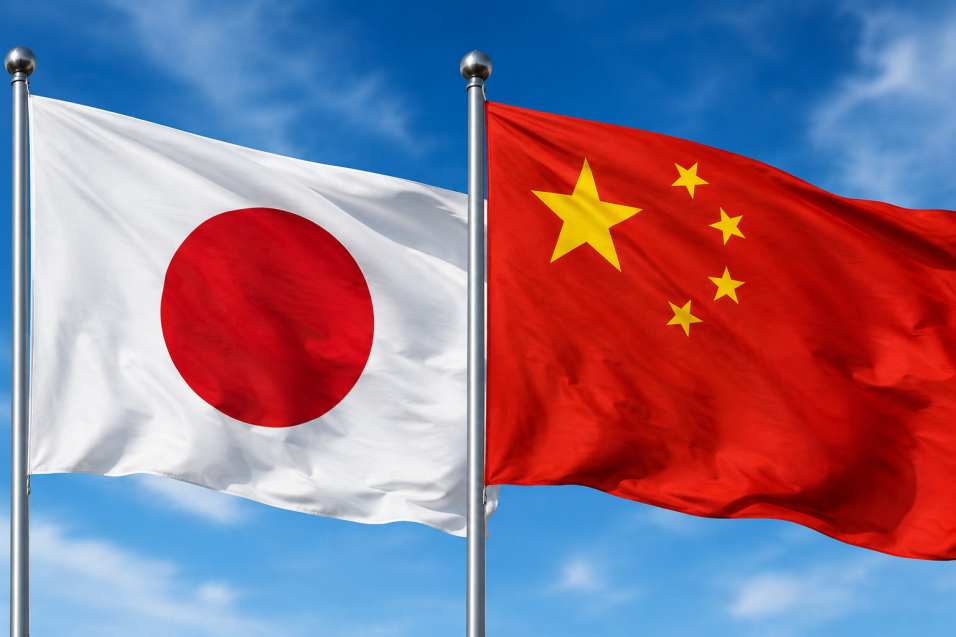
China on Wednesday criticised Japan’s draft proposal to revise its key security documents, saying it misrepresents China’s normal military activity and creates unnecessary tension to justify a faster move toward increased military capability.
More topics for you...This topic continues below.
Putin Signs Law Expanding Property Seizure Powers Against Russians Abroad.
South Korean President Says Japan Must Offer Sincere Apology Before Deeper Military Cooperation.
China Fires Back After US Adds Alibaba, BYD and Other Firms to Military-Linked List.
Beijing said the proposal risks misleading both the Japanese public and the wider international community, and called for close attention to what it sees as a growing shift in Japan’s defence policy direction.
The reaction follows a decision by Japan’s ruling Liberal Democratic Party (LDP) on Tuesday to adopt a draft plan to revise the country’s main security frameworks, which guide defence planning and spending.
Japan’s Planned Security Changes
Japan is reviewing three core defence documents: the National Security Strategy, the National Defence Strategy, and the Defence Buildup Programme.
Together, these set out how Japan responds to security risks and how its military capabilities are developed.
The draft proposals include:
- Stronger missile defence and response systems
- Development of long-range counterstrike capabilities
- Greater cooperation with allies, including the United States
- Increased support for the defence industry
- Expanded focus on cyber and space security
Japanese officials say the updates reflect changes in the regional security environment, including China’s growing military activity and North Korea’s missile tests.
Tokyo continues to say its policy remains defensive and consistent with its post-war constitution.
Why Japan Is Moving Toward Stronger Defence
Japan’s policy shift is driven by several overlapping factors:
1. Rising regional tensions
Japan points to growing military activity in the region, especially from China, as a key concern.
2. North Korea’s missile programme
Repeated missile launches from North Korea have increased pressure on Japan to improve response systems.
3. Changing US role in Asia
With global commitments stretching the United States, Japan is preparing to take more responsibility for its own defence.
4. Protection of maritime territory
Japan faces ongoing disputes and patrol activity around the East China Sea, raising security concerns.
5. Modern warfare needs
Cyber attacks, drones, and missile technology are pushing Japan to update older defence systems.
Officials in Tokyo say these changes are defensive in nature and are designed to prevent conflict, not start it.
China’s Concerns
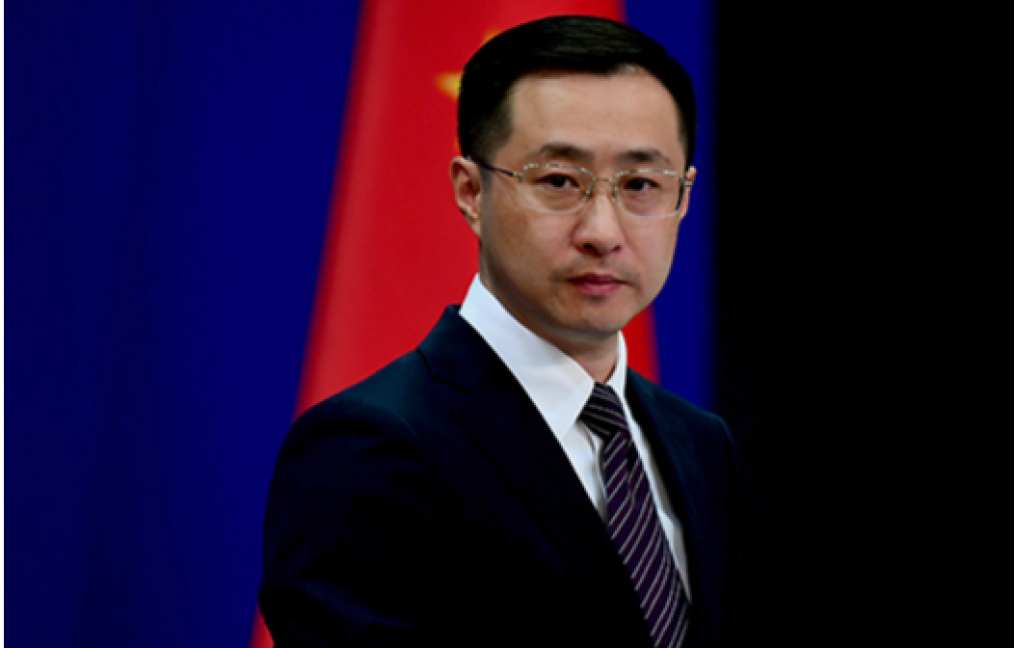
Chinese Foreign Ministry spokesperson Lin Jian said the draft adds to what he described as evidence of attempts in Japan to move away from post-war military limits.
He said the proposals criticise and highlight China’s military activity in a way that exaggerates tensions and supports domestic support for defence expansion.
Lin said the direction of policy would weaken long-standing restraints and could affect regional stability if it continues.
He also called on countries to stay alert to these developments and closely watch how Japan’s defence policy evolves.
Experts on the Shift
Chinese analysts quoted in state media said Japan is increasingly linking its defence policy to the idea of a “China threat”, which they believe is being used to justify changes in military planning.
They also pointed to broader policy updates and defence documents that describe China as a major security concern, saying these are shaping public discussion inside Japan.
Some experts argue Japan is gradually easing restrictions on its military industry and expanding its role in defence exports and joint development with partners.
Japan’s Defence Plans and White Paper
Reports from Japanese media, including Yomiuri Shimbun and Mainichi Shimbun, say the government is also preparing a new defence white paper.
The document is expected to highlight stronger cooperation with allies and improved deterrence, citing concerns about China’s military growth.
Japan is also reviewing rules on defence equipment transfers, with discussions about allowing wider export of military technology to partner countries.
Officials are also considering new support structures for Japan’s defence industry, including systems that would make exports easier and more coordinated.
Regional Reactions and Rising Concerns
Some observers in the region have raised concerns about the broader impact of expanding military cooperation and arms exports.
Within Japan, there are also debates about rising defence costs and whether changes to policy could alter the country’s long-standing post-war approach to military limits.
At the same time, several governments in the Indo-Pacific are increasing defence spending and cooperation, reflecting wider shifts in regional security.
Frequently Asked Questions (FAQs)
1. What is Japan’s security draft about?
Japan’s security draft refers to planned revisions of its three key defence documents. These guide how the country manages national security, military planning, and defence spending.
2. Why is China criticising Japan’s security draft?
China says Japan is misrepresenting China’s normal military activities and using them as justification for expanding its own military capabilities, which Beijing describes as a move toward re-militarization.
3. Is Japan increasing its military power?
Japan says it is strengthening its defence system, including missile defence and counterstrike capabilities. It maintains these steps are defensive and aimed at responding to regional security challenges.
4. Why is Japan changing its defence policy now?
Japan points to several factors, including rising regional tensions, North Korea’s missile tests, changing security dynamics in Asia, and the need to modernise defence against cyber and missile threats.
5. What are counterstrike capabilities?
Counterstrike capability refers to the ability to respond to an attack by striking enemy targets such as missile bases. Japan says this is intended as a deterrent to prevent attacks.
6. Does this mean Japan is abandoning its pacifist constitution?
No. Japan has not changed its constitution. However, it is reinterpreting its defence policy to allow stronger self-defence measures within constitutional limits.
7. How could this affect East Asia?
Experts say the situation could increase regional tensions, as both China and Japan continue expanding military capabilities, although some argue it may also strengthen deterrence.
8. What role does the United States play?
The United States supports Japan’s defence strengthening as part of broader cooperation in the Indo-Pacific region to maintain regional stability and balance.
Stay Ahead of the News
Before Everyone Else
Major stories break every hour. Join our news community and receive instant alerts, viral headlines, and important updates the moment they happen.