By Nighat Fabian 🕒 Oct 9, 2024
Geoffrey Hinton Warns of AI’s Growing Dangers After Nobel Prize Win
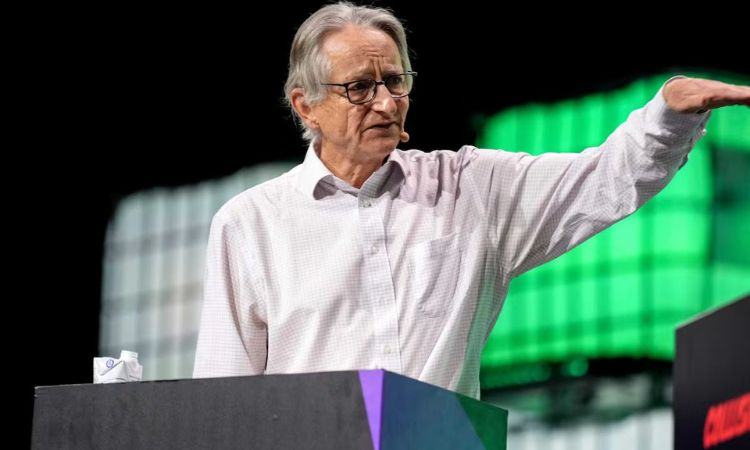
Geoffrey Hinton, AI pioneer, wins Nobel Prize in Physics, but warns of the growing risks of artificial intelligence if not properly controlled.
More topics for you...This topic continues below.
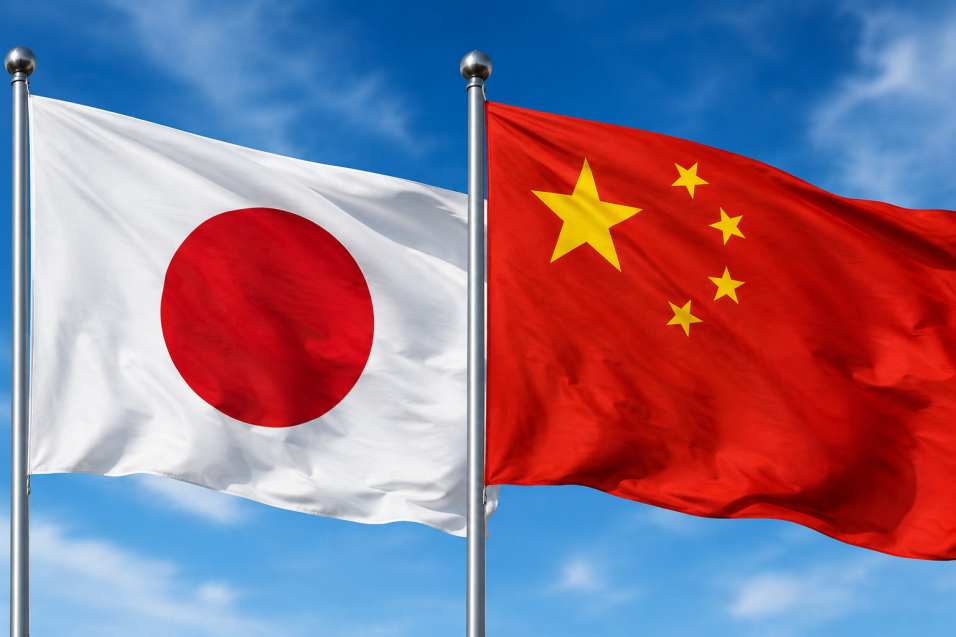
China Condemns Japan Security Plan, Warns of ‘Re-Militarization’ Push.
Putin Signs Law Expanding Property Seizure Powers Against Russians Abroad.
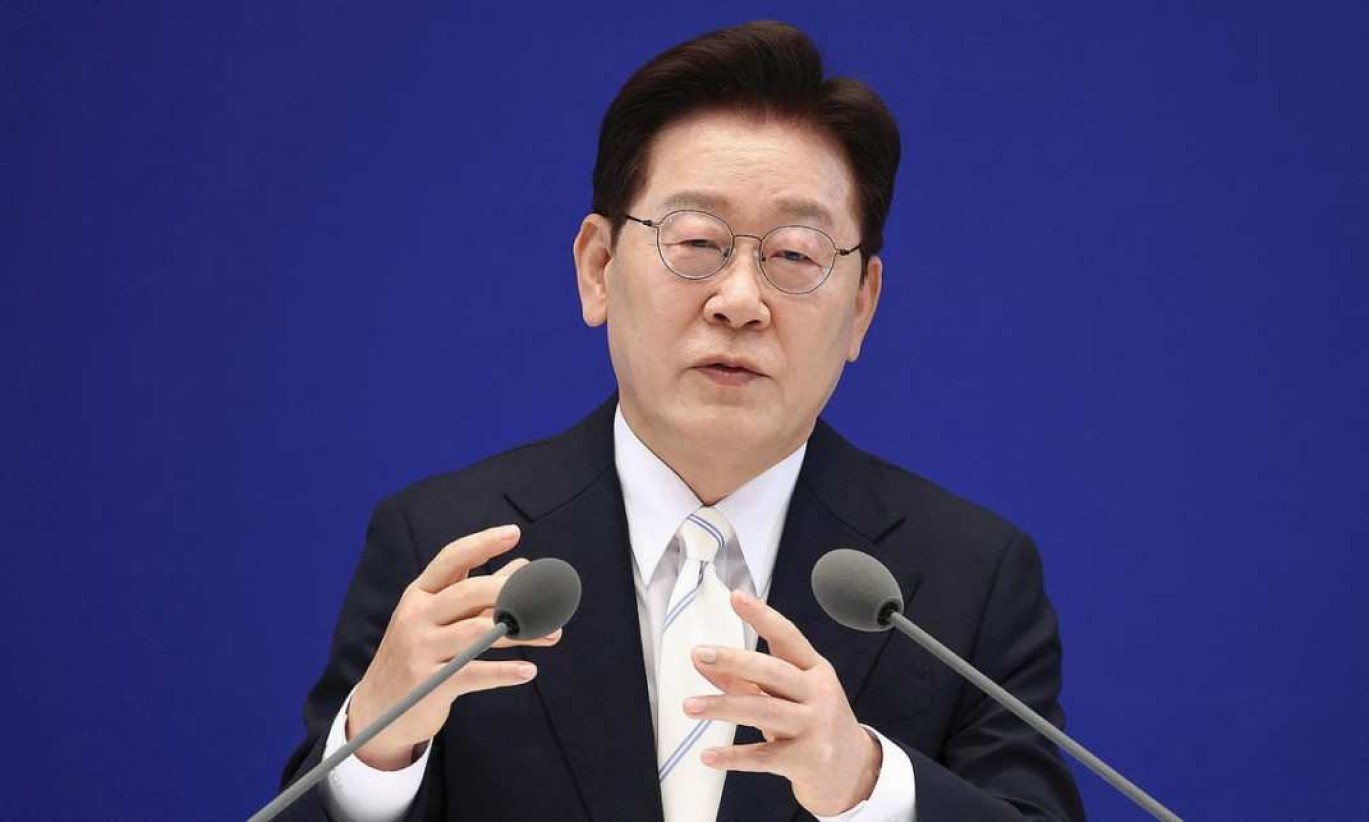
South Korean President Says Japan Must Offer Sincere Apology Before Deeper Military Cooperation.
British-Canadian computer scientist Geoffrey Hinton, known as one of the leading minds behind artificial intelligence (AI), has issued a warning about the growing dangers of AI. Hinton, 76, was recently awarded the Nobel Prize in Physics, an honor he shares with John Hopfield of Princeton University.
The prize was given for their work in neural networks, which is the technology that helps computers learn and mimic human intelligence.
Hinton expressed surprise at winning the prestigious prize, stating that he was "flabbergasted" by the recognition.
Although his research laid the groundwork for AI, he has recently shifted focus towards advocating for safer AI development. His concern stems from the fear that if AI is left unchecked, it could be used in harmful ways.
Concerns About AI Risks
Hinton’s warning comes after he made headlines last year when he resigned from his position at Google. He left due to concerns that "bad actors" could misuse AI technology. He now urges companies to invest more in research focused on AI safety.
Speaking to the media after his win, Hinton emphasized the urgent need to understand the potential risks AI poses to society.
According to him, the dangers of AI include cyber and phishing attacks, the creation of fake videos, and interference in political systems. He warned that as AI becomes smarter, it may become harder for humans to control it.
"Some researchers believe that in the next 20 years, AI could become more intelligent than humans," Hinton said. "We need to think carefully about what happens then."
He pointed out that throughout history, more intelligent beings have not been controlled by less intelligent ones. This raises the question of whether humans will still be able to control AI when it surpasses human intelligence.
Shock Over Winning Nobel Prize
Hinton was in "shock" when he received the news that he had won the Nobel Prize. He was staying in a hotel in California when he received the call at 1 a.m. He hadn’t even known he was nominated for the award.
"I’m not a physicist, and I have a lot of respect for physics," he admitted. "I actually dropped out of physics after my first year at university because I couldn’t handle the complicated math."
Hinton is pleased that the Nobel committee acknowledged the progress in artificial neural networks. These networks are the foundation of modern AI, and his work has been crucial in advancing the field.
A Career of Achievements
Hinton’s work in artificial intelligence has spanned decades. In 2018, he received the Turing Award, often called the "Nobel Prize of Computing," for his groundbreaking work on neural networks. His work has transformed AI, from machine learning to image recognition.
One of his most notable contributions came in 1985 when he co-created the Boltzmann machine. This machine helped pave the way for modern AI applications, such as image generation and recommendation systems. In 2012, Hinton and his students built a neural network that could analyze photos and identify objects. This marked a significant milestone in AI development.
Hinton spent much of his career at Google, splitting his time between the company’s AI research team and the University of Toronto, where he is now a professor emeritus. Before working at Google, he held positions at prestigious universities like the University of California San Diego and Carnegie-Mellon University.
Family Legacy in Science
Born in London in 1947, Hinton comes from a long line of scholars. His father, Howard Hinton, was an entomologist, while his great-great-grandfather, George Boole, was a mathematician whose work laid the foundation for modern computer science. Hinton himself earned a PhD in artificial intelligence from the University of Edinburgh in 1978.
For many years, Hinton’s work was met with skepticism. Many AI experts believed neural networks would never work. Critics doubted that machines could ever learn complex tasks, like understanding natural language, through neural networks. However, Hinton proved them wrong.
Refusing Military Funding and Future AI Concerns
Throughout his career, Hinton made it a point to avoid military funding. He even moved to Canada to continue his research without relying on such funds. In recent years, he has voiced concerns about how AI could impact jobs, predicting that automation will cause widespread changes in the workforce.
Hinton shares his Nobel Prize’s prize fund of 11 million Swedish krona (about £810,000) with Professor Hopfield. Hinton has announced that he will donate the money to charity, with some of it going to a charity that supports neurodiverse young adults.
Stay Ahead of the News
Before Everyone Else
Major stories break every hour. Join our news community and receive instant alerts, viral headlines, and important updates the moment they happen.